Municipal water utilities manage vast networks of submerged assets to ensure a continuous supply of clean drinking water to urban populations. Raw water intake pipelines, reservoir storage cells, treatment tanks, and discharge outfalls operate constantly under heavy hydraulic pressure. Over time, sediment accumulation, bio-fouling, concrete erosion, and pipe corrosion restrict flow capacities and threaten water quality.
Utility directors face growing demands to maintain aging infrastructure while meeting strict public health and environmental regulations. Scheduled subsea engineering interventions allow water managers to locate structural defects, clear internal pipe blockages, and repair concrete walls without draining critical water storage cells. Proactive subsea care guarantees reliable utility service and preserves municipal water assets.
Diagnostic Protocols for Municipal Water Storage Facilities
Potable water storage reservoirs and clearwells require periodic structural evaluations to verify water quality and structural safety. Draining these facilities causes major service disruptions and wastes millions of gallons of treated water.
Sediment Layer Audits and Floor Seam Integrity
Sediment naturally settles at the bottom of storage reservoirs over time, creating breeding grounds for bacteria and reducing total storage volume. Subsea camera systems and acoustic sensors evaluate sediment depth and check floor liners for tears, cracks, or seam displacement.
Column Support and Structural Wall Assessments
Internal concrete support columns and baffle walls in covered reservoirs endure constant hydraulic pressure. Detailed visual and ultrasonic checks identify concrete spalling, joint seal degradation, and exposed reinforcing steel beneath the waterline.
Scheduling routine Potable Water Reservoir Inspection services enables municipal utility managers to assess internal structural conditions while keeping storage facilities fully online and operational.
Engineering Interventions for Intake and Outfall Conduits
Raw water intake pipelines draw water from lakes and rivers, while outfall conduits discharge treated effluent into natural receiving waters. Keeping these conduits clear and structurally sound is essential for utility stability.
Bio-Fouling Removal and Pipe Jetting
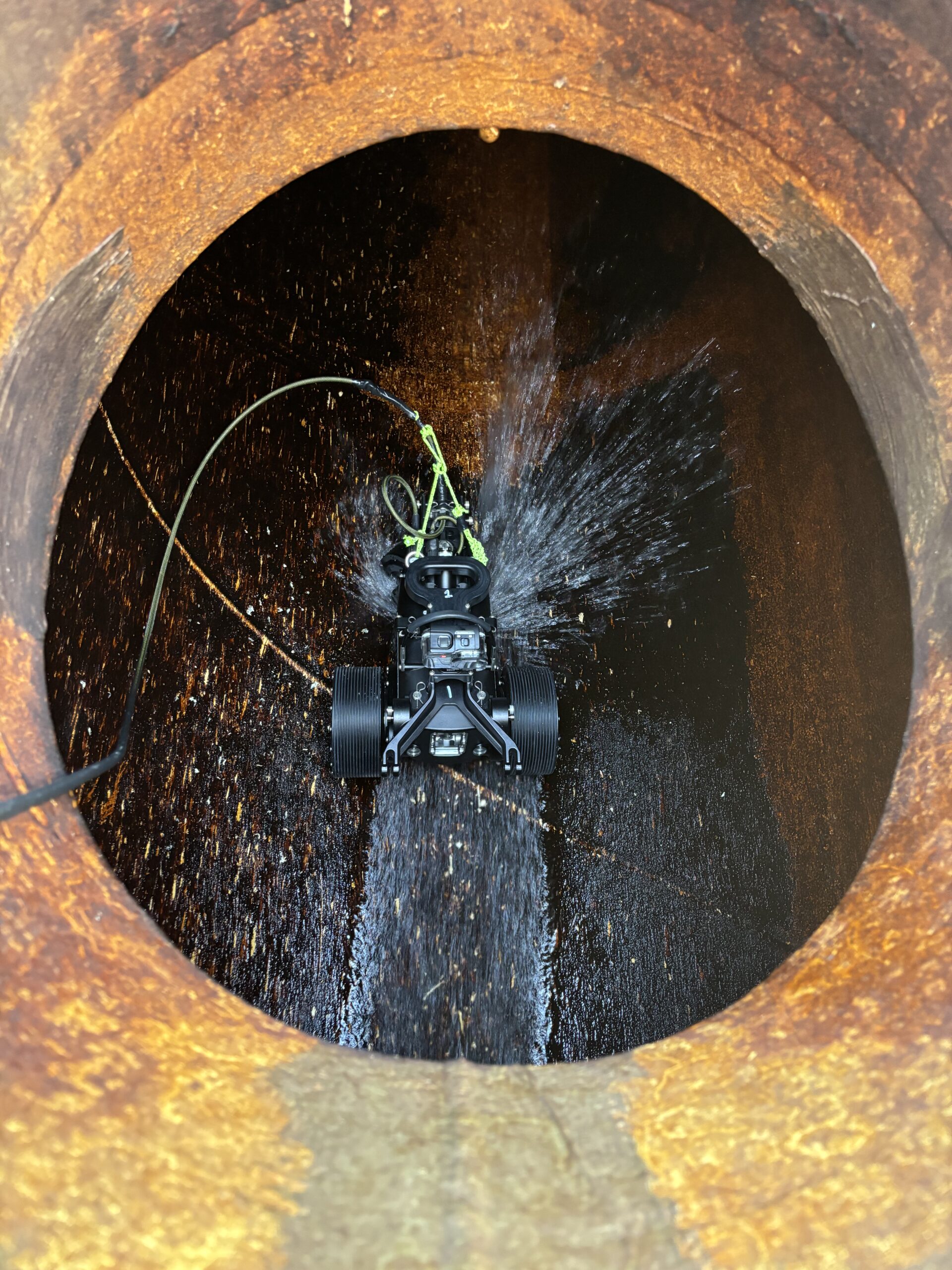
Invasive species like zebra mussels rapidly colonize raw water intake screens and internal pipe walls, severely restricting water flow. Subsea teams utilize high-pressure water jetting systems and mechanical scrapers to clear bio-fouling clusters before pump cavitation occurs.
Structural Concrete Repairs and Outfall Servicing
High-velocity water flow causes concrete erosion along intake tunnels and outfall diffusers. Subsea technicians apply fast-setting, non-toxic epoxy mortars and anti-washout grouts to repair eroded concrete surfaces and seal leaking pipe joints.
Relying on experienced providers of Underwater Construction guarantees that intake screen clearing, concrete joint sealing, and pipeline repairs strictly follow municipal public health standards.
Safety Standards in Municipal Subsea Operations
Executing maintenance work inside municipal water utility assets involves unique operational hazards that require specialized safety protocols.
Differential Pressure Lockout Protocols
Moving water through intake valves, pumps, and sluice gates creates dangerous differential pressure (Delta-P) zones. Strict mechanical Lockout/Tagout (LOTO) protocols confirm zero hydraulic movement before technicians enter active utility conduits.
Non-Contaminating Equipment Operations
All tools and equipment deployed inside municipal drinking water assets must utilize non-toxic, food-grade hydraulic fluids and sanitized suits to prevent chemical or biological contamination of public water supplies.
Conclusion
Sustaining clean, reliable municipal water services requires proactive subsea asset management across reservoirs, intakes, and treatment facilities. Regular diagnostic evaluations help utility directors identify sediment accumulation, pipe blockages, and concrete spalling early. Utilizing non-destructive testing, high-pressure cleaning, and anti-washout structural repair materials enables water authorities to protect public health, comply with environmental standards, and extend facility service life efficiently.